


Turning sunlight into food preservation, practical learning, and opportunity for families and microentrepreneurs in Guatemala.
ATC develops solar food dehydrators with local partners, tests them in real conditions, and uses what we learn to improve the next design. Our work has progressed from Phase 3 field testing to a Phase 4 unit that is now being used in classes.
Phase 4: From Field Design to Classroom Use
The Phase 4 solar dehydrator has been built and installed at Eco Spanish School in San Juan la Laguna, Guatemala. Students and community members use it in classes to explore solar energy, heat, airflow, and food preservation.
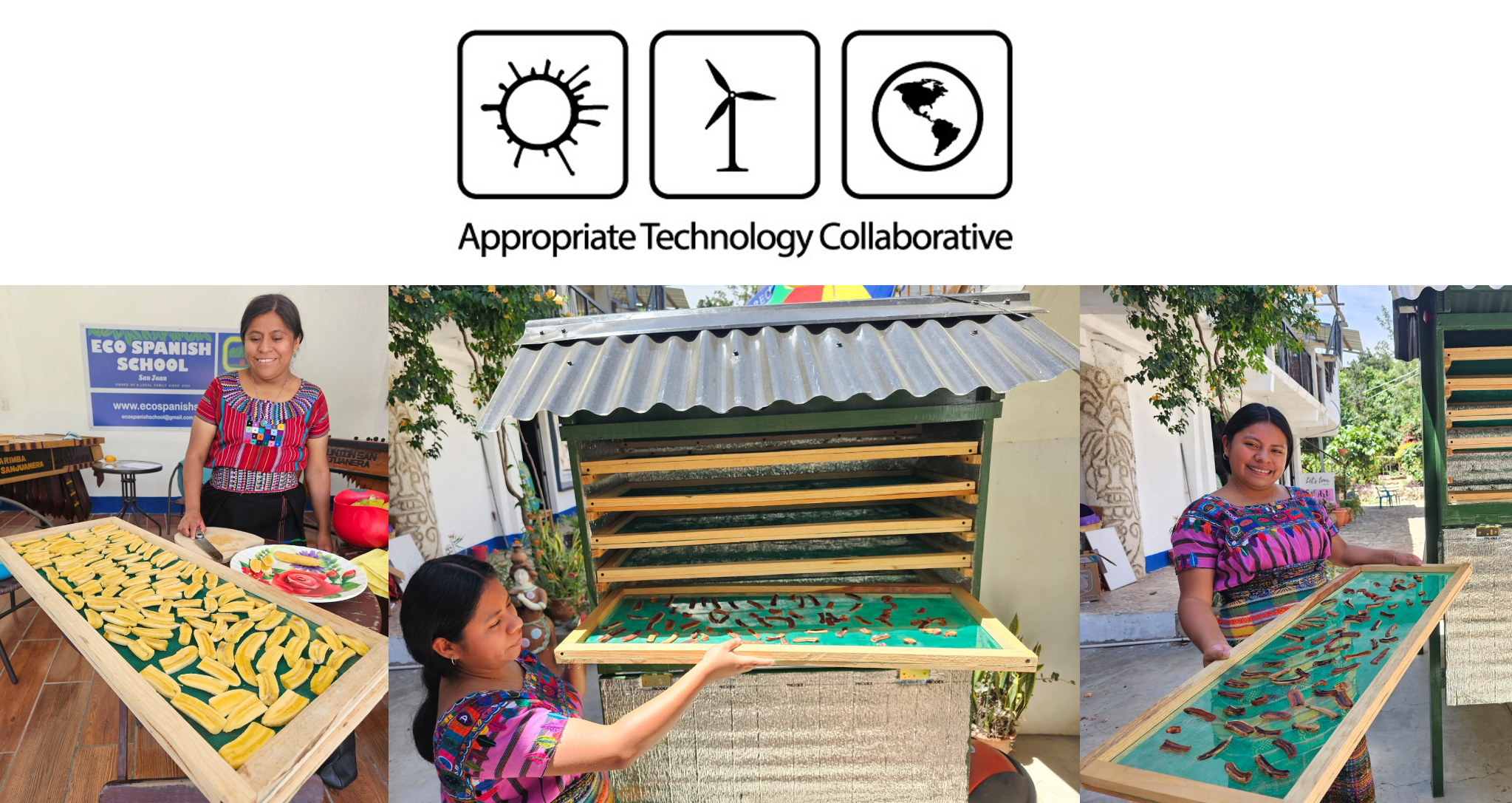
This working unit makes the technology visible and gives people a practical way to learn how it can be used and replicated.
Phase 3: Built and Tested in Guatemala
Phase 3 provided the field-tested foundation for the next iteration. Replacing acrylic with glass in the solar collector helped retain heat more effectively. ATC’s field reports described drying times approximately 50% shorter than the second-generation design under the conditions tested.
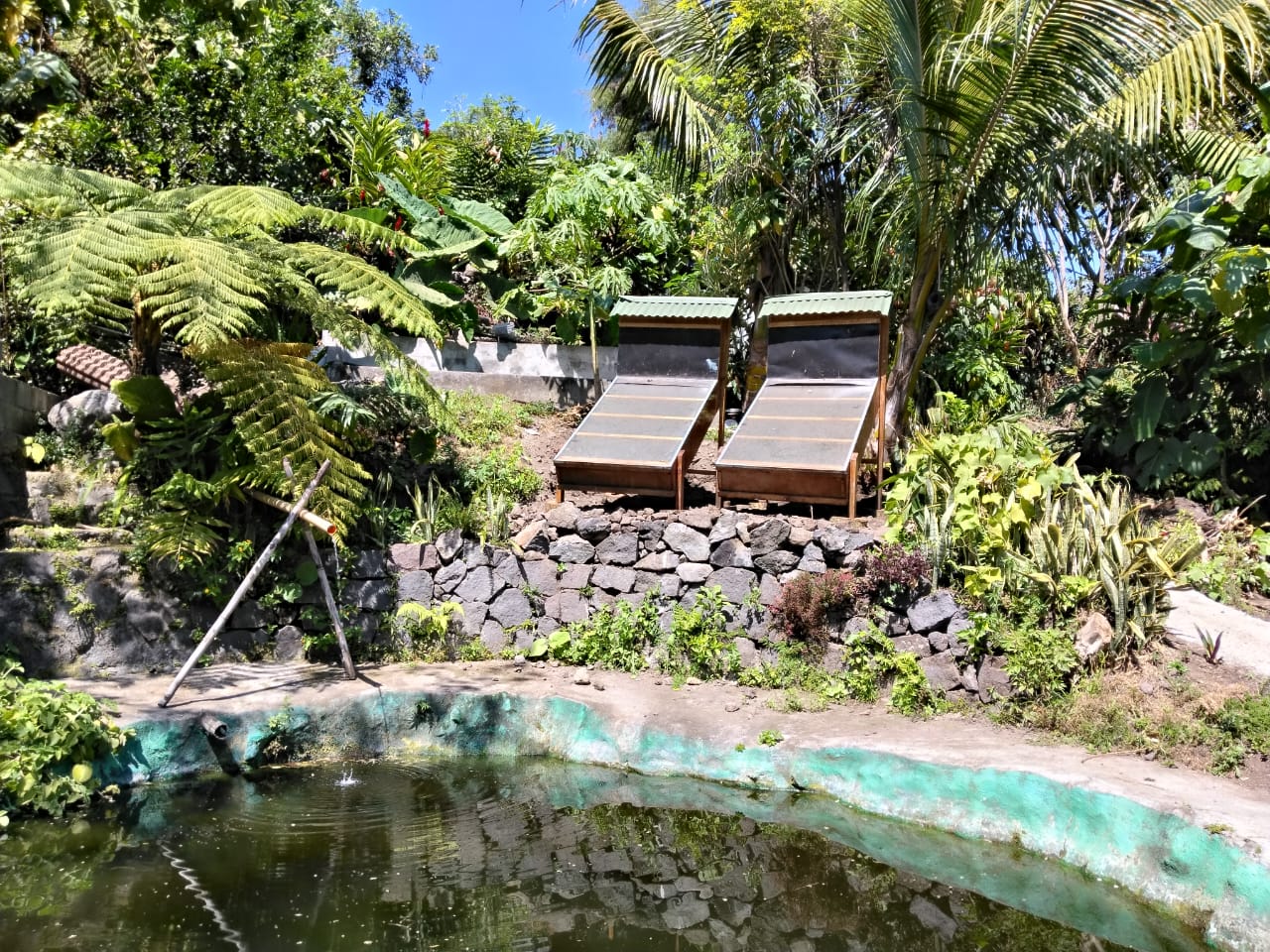
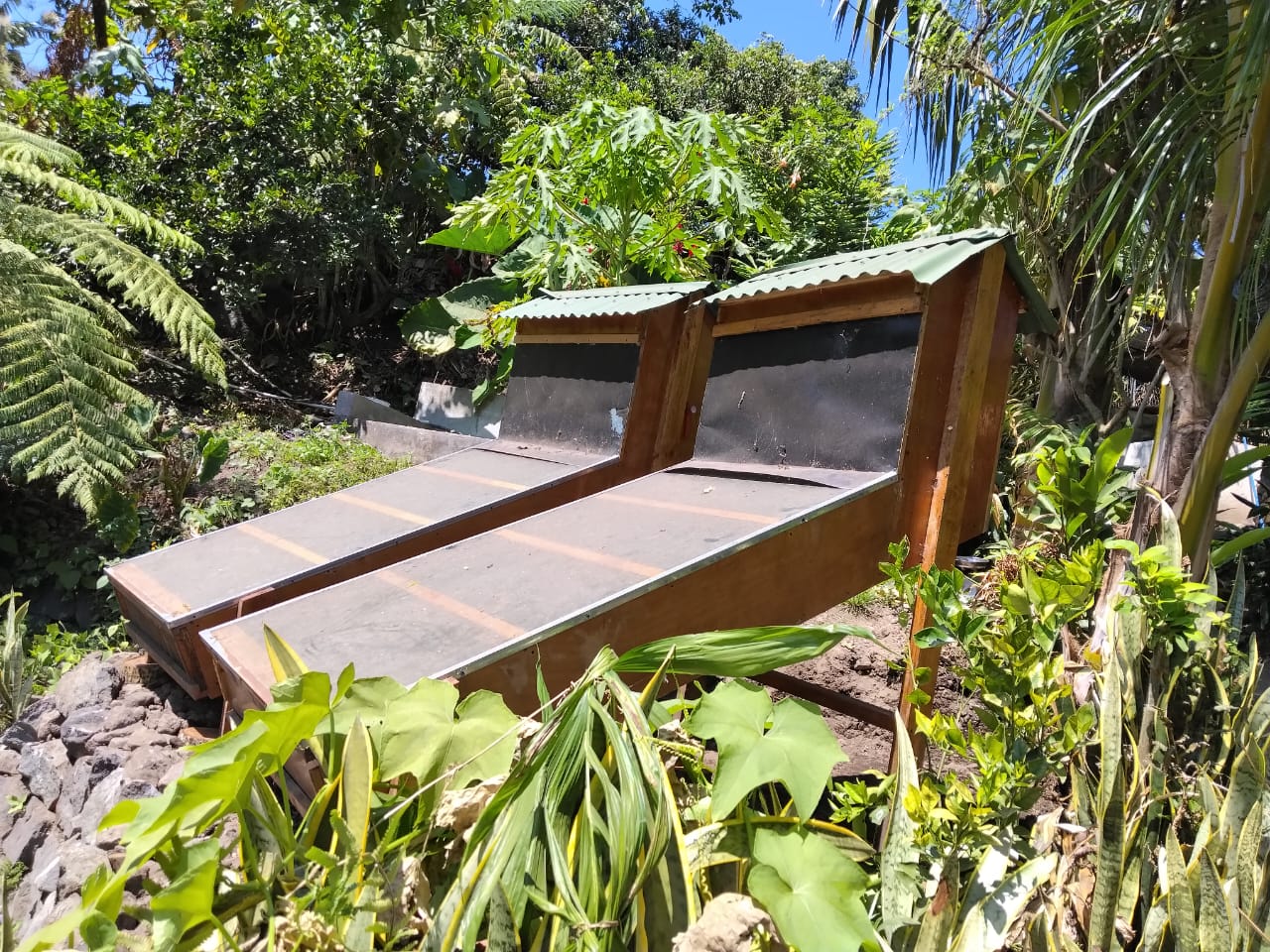
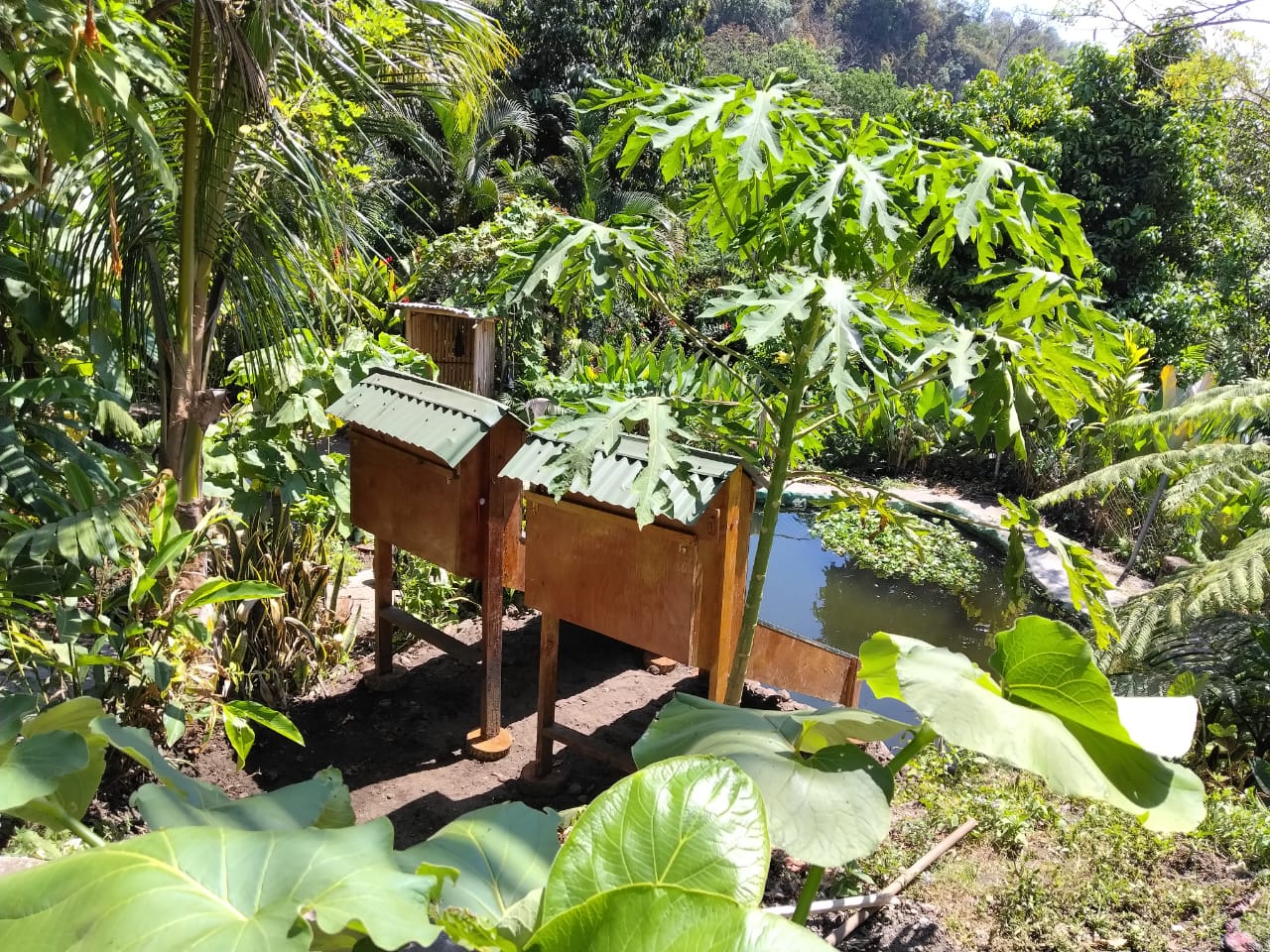
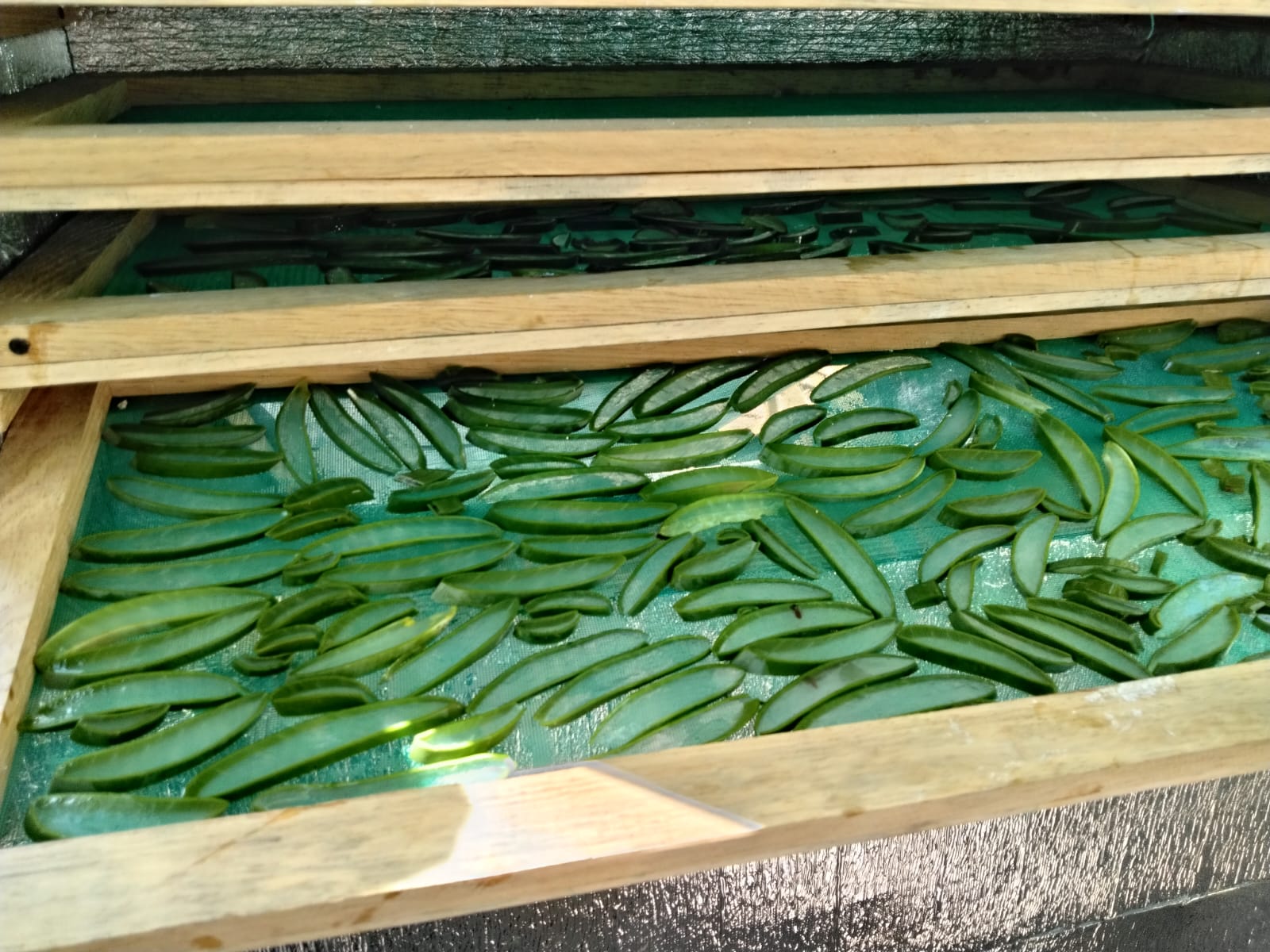
The photos below document Phase 3 units and the produce processed with them. Select a photo to open it larger.
From Taro Root to a Packaged Product
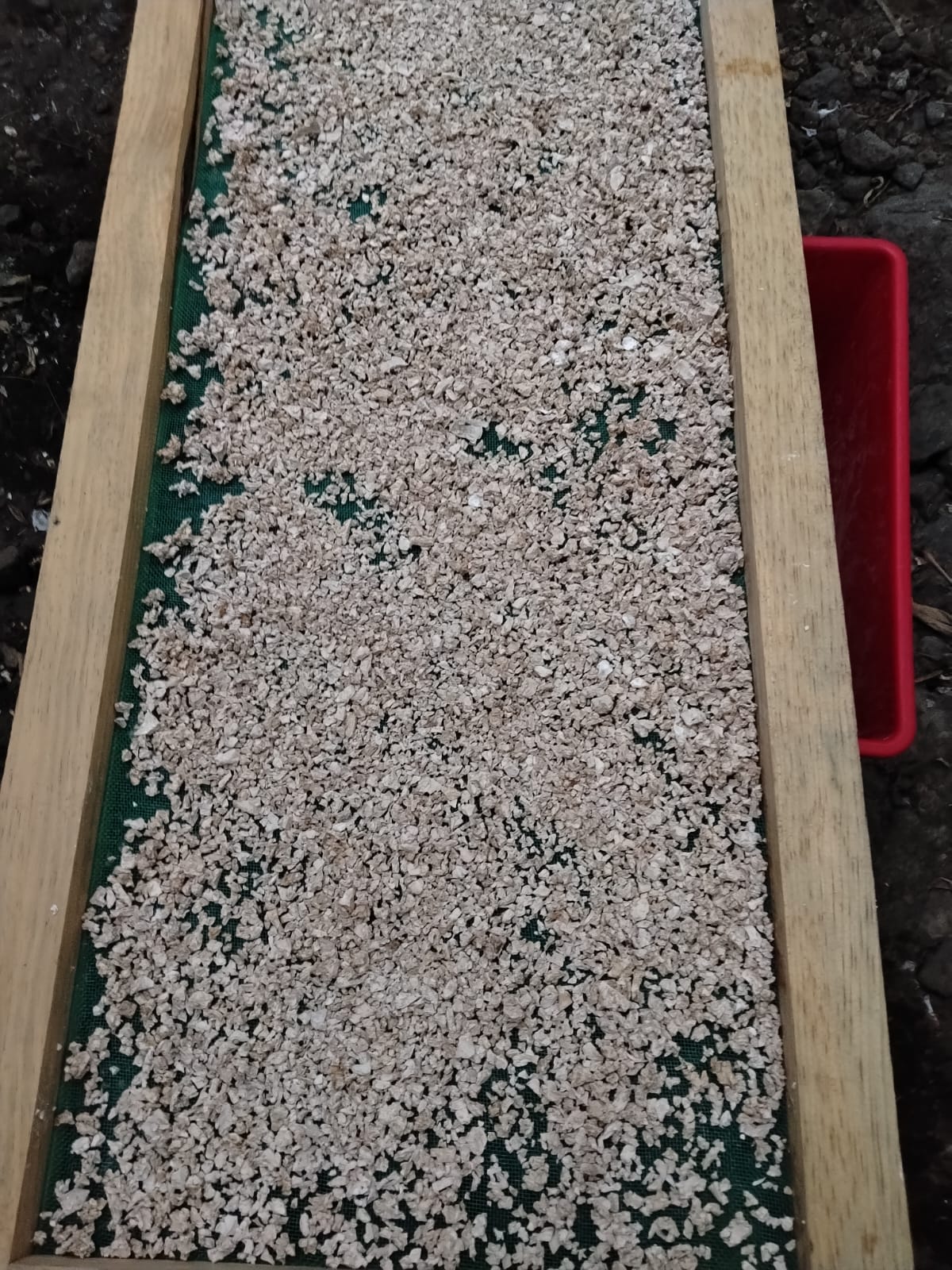
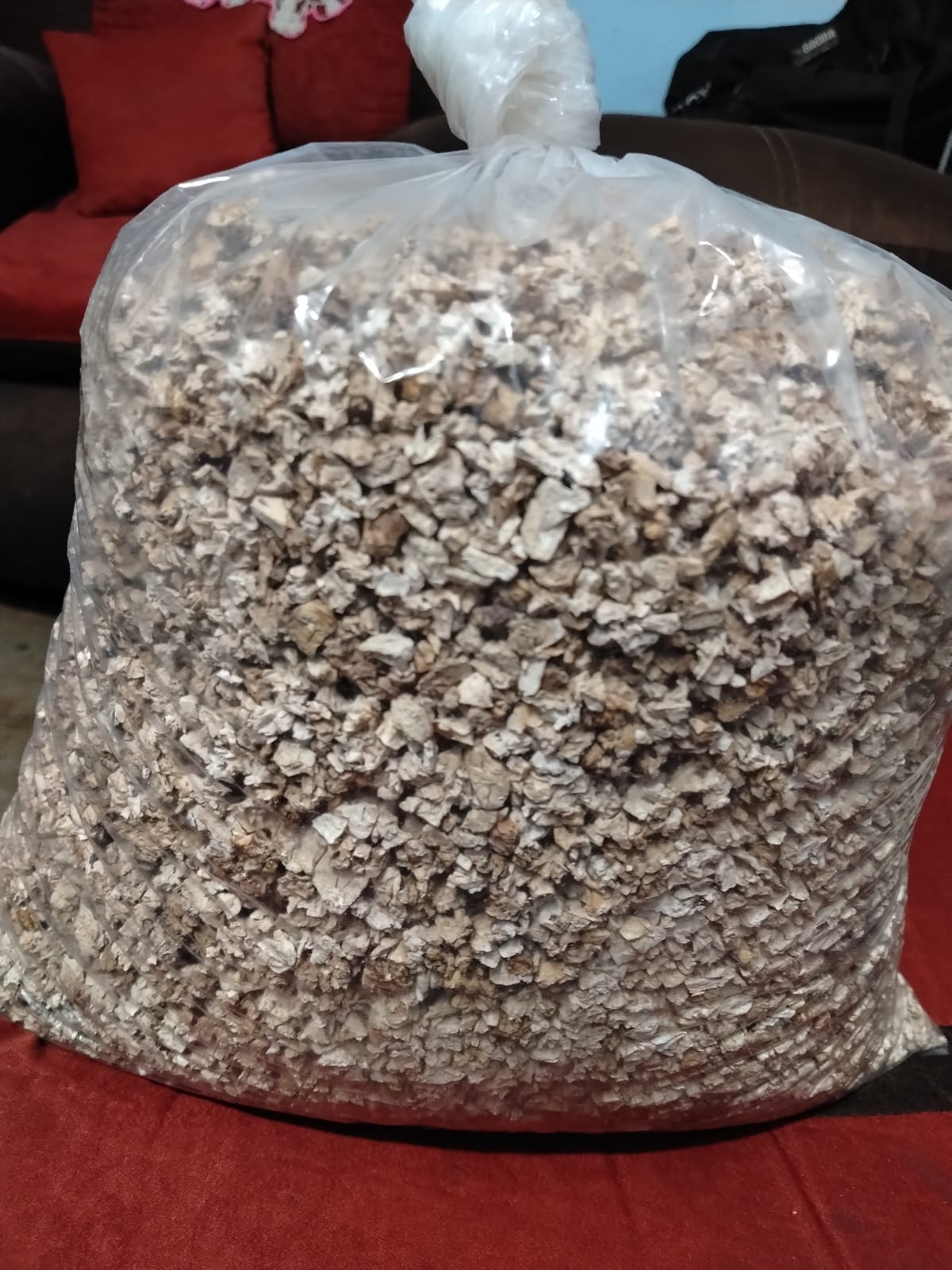
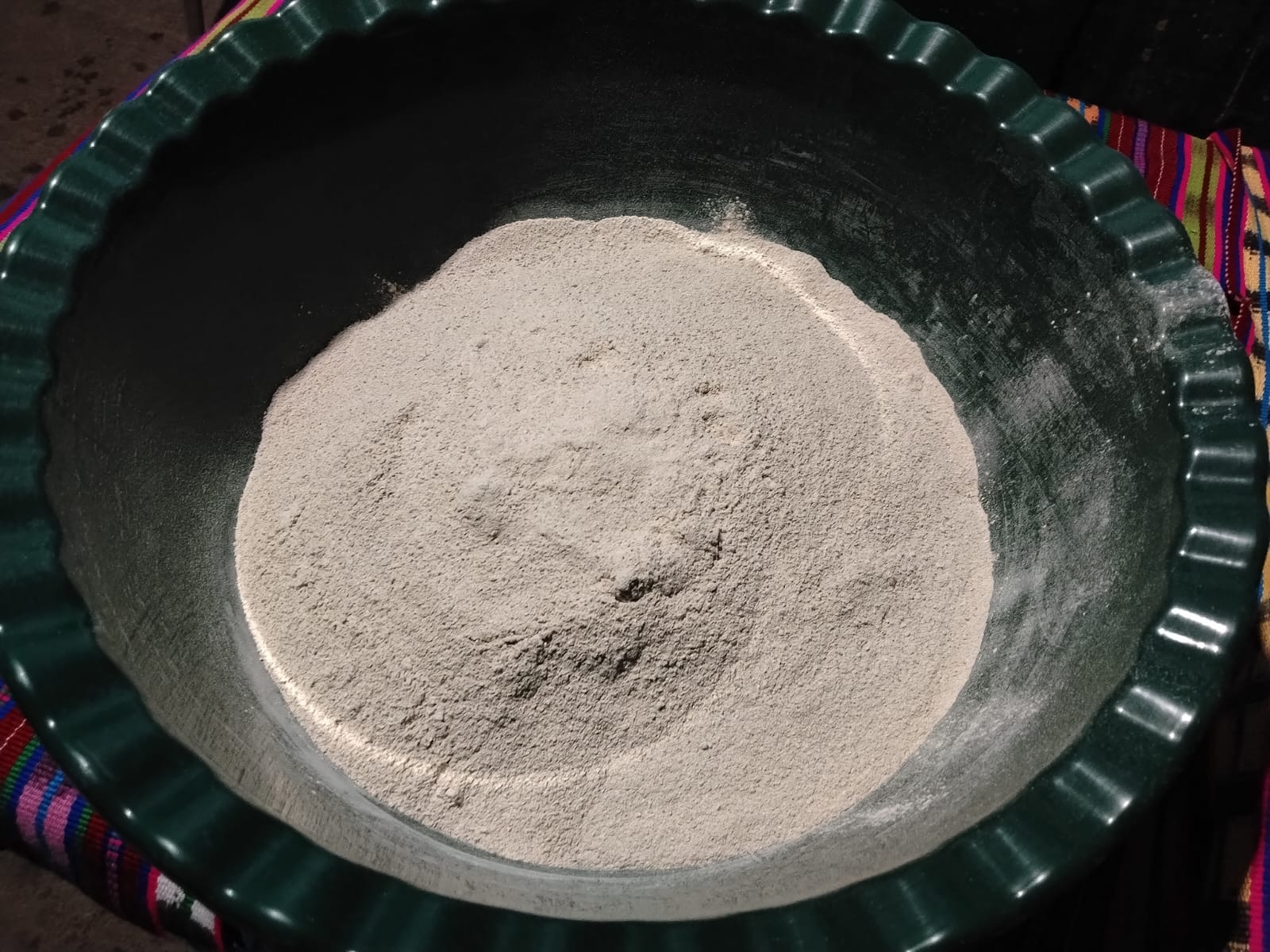
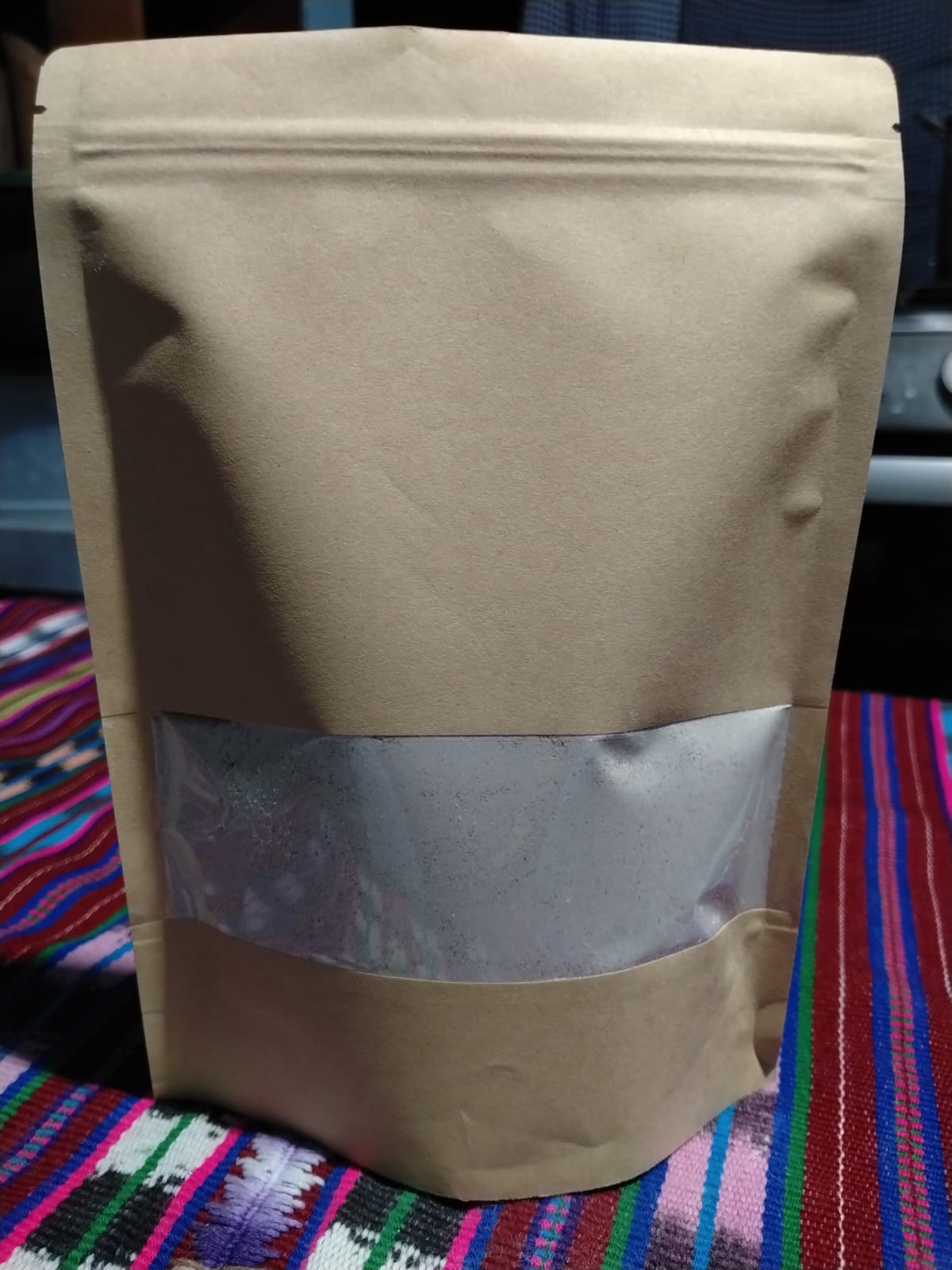
These Phase 3 photos show taro root on the drying rack, dried pieces ready for grinding, the ground product, and packaging for sale. They illustrate how food preservation can create opportunities to add value to a harvest.
Why Solar Food Preservation Matters
Seasonal harvests, difficult transportation, and changing market prices can limit how families and small producers use and sell their crops. Solar drying can help reduce post-harvest loss and make produce easier to store and transport beyond the harvest season.
Our focus is practical: designs that people can build, maintain, teach, and adapt to local needs.
What Comes Next
ATC is refining drawings, evaluating build costs, and incorporating local feedback to make the designs more affordable and easier to replicate. The Phase 4 classroom installation builds on Phase 3’s field experience while creating opportunities for continued learning.
Support the Next Steps
Support helps ATC test and improve designs, respond to local feedback, and share practical food-preservation technology with more communities.
Support Solar Dehydrators on GlobalGiving
Explore the project and its reports on GlobalGiving · Contact ATC about collaborating